Food and Drink UGC: Shots That Show Texture, Portion and Serving
A practical method for Saudi food and drink stores: what to film, which video type to order first, and how to show texture and portion on a real table.
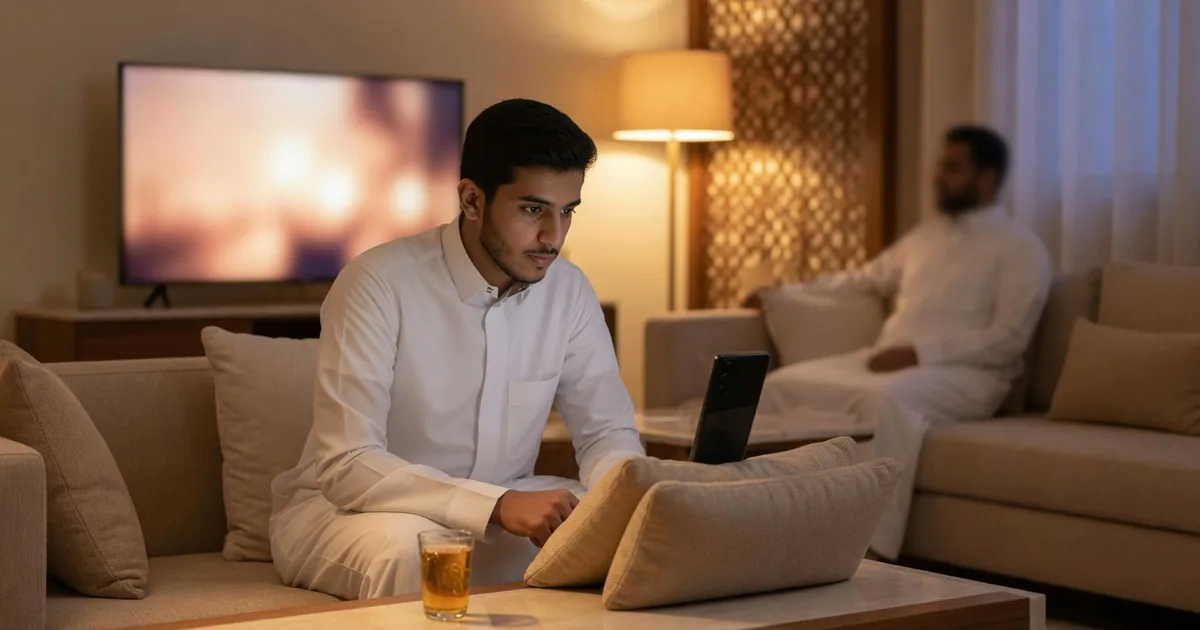
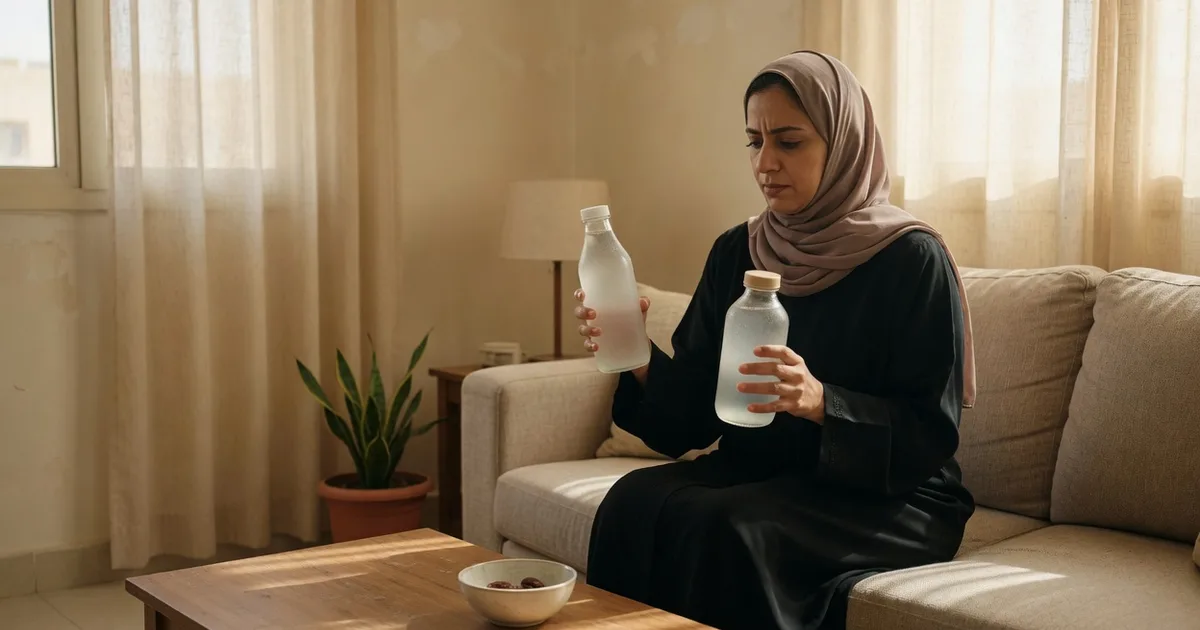
If you sell food or drinks from a Saudi online store, customers cannot unscrew the jar before they pay. They need a vertical video that does what a shelf photo cannot: show the pour, the texture, the portion next to a cup or plate, and a real serving moment such as breakfast, gahwa, or a desk snack. That is the practical job of food UGC videos.
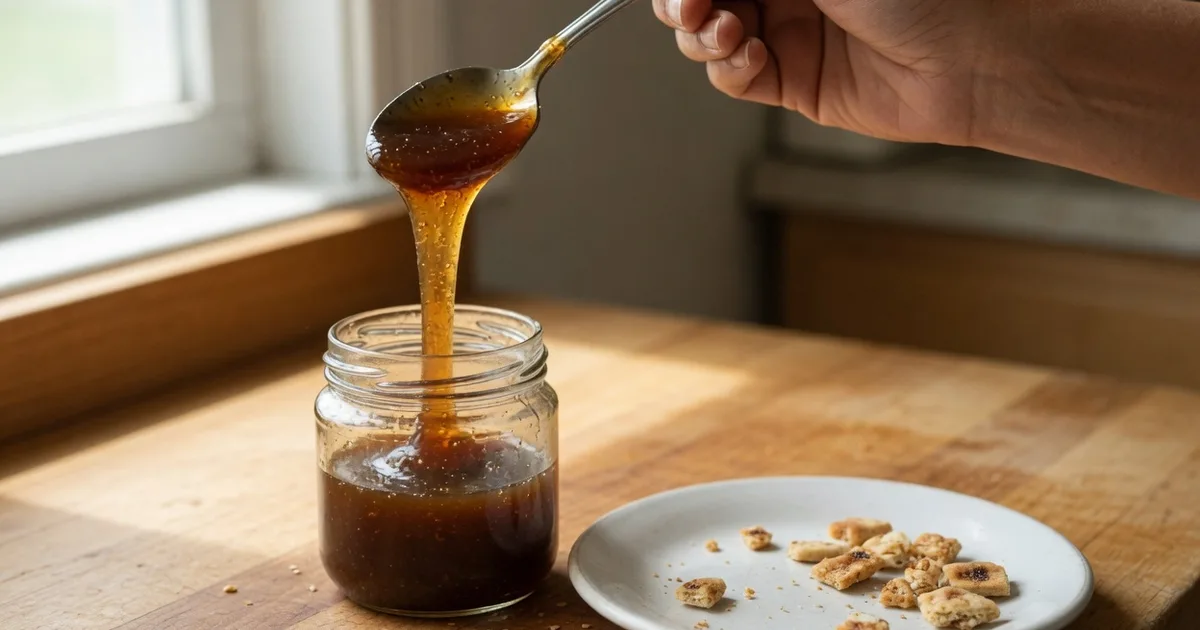
Start with a demo, not a talking review. Film the closed pack, then the product in use, then one serving beside the pack so scale is obvious. On-camera appearance is optional. Hands, a spoon, and window light often do more work than a long script.
What Saudi shoppers need to see in a food video
A photo of the label answers branding. It does not answer the questions that delay an order: Is this thick or runny? How much is one serving? Does it belong on a family table or in a gym bag? Can I prepare it in two minutes?
Build every food video around four visible proofs:
- Texture: drip, steam, fizz, crumble, or cream on a spoon.
- Portion: one serving next to the pack, using a cup, finjan, tablespoon, or plate as scale.
- Effort: peel the seal, scoop, mix, heat, or eat as-is.
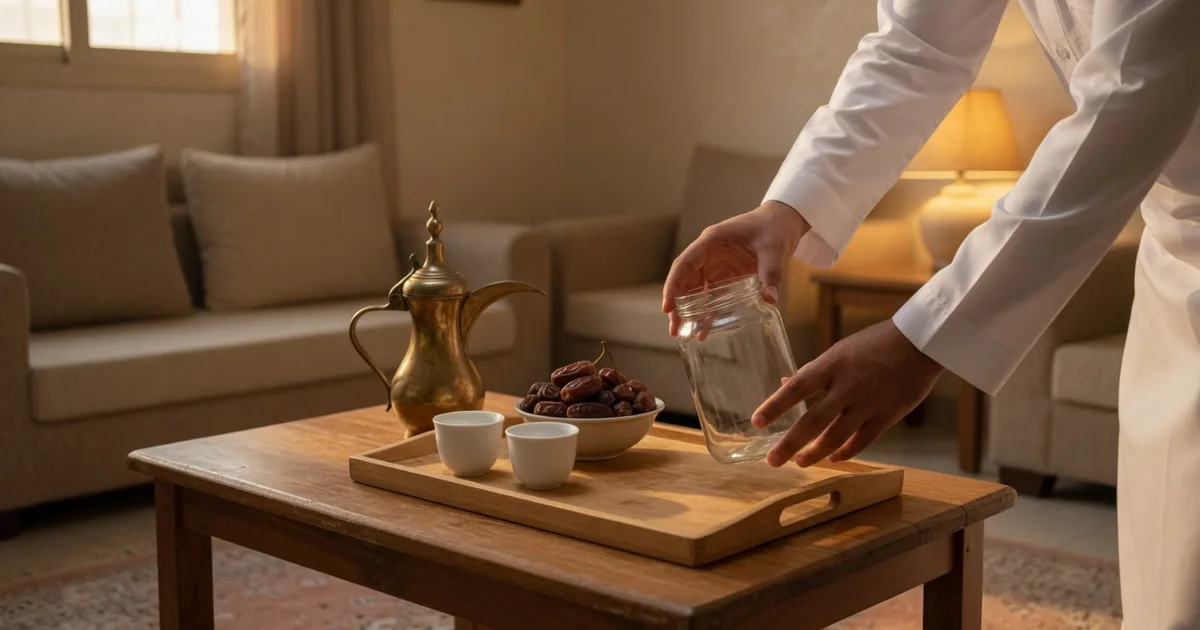
- Context: a Saudi kitchen counter, a majlis tray, or a simple office desk — not a studio sweep.
Coffee, dates, honey, sauces, snacks, and powders all follow the same logic. The SKU changes. The proofs do not.
Choose the video type before you order the creator
Do not default to unboxing. A cardboard reveal helps when the gift box is the product. For most pantry and beverage SKUs, the first video should be a prep or portion demo.
| If shoppers are stuck on… | Order this first | What the frame must show |
|---|---|---|
| What is inside the pack | Prep demo | Open, scoop, close-up texture |
| How far the jar goes | Portion demo | One serving beside the pack |
| When they would use it | Serving context | Breakfast plate, gahwa tray, or a desk snack |
| Whether it tastes worth buying | First taste | Spoon or sip, optional face |
If you are still deciding between formats, read Which UGC Video to Order First: Unboxing, Demo, or Testimonial and then come back to the shot list below.
Save talking testimonials for a second order, once you already have a video that shows texture.
A shot list for food UGC videos you can paste into the order
Send the creator a short, numbered list. Keep it vertical. Ask for natural kitchen sound, not background music you cannot license.
- Two seconds on the closed pack, on a clear counter, with space for a hand to enter.
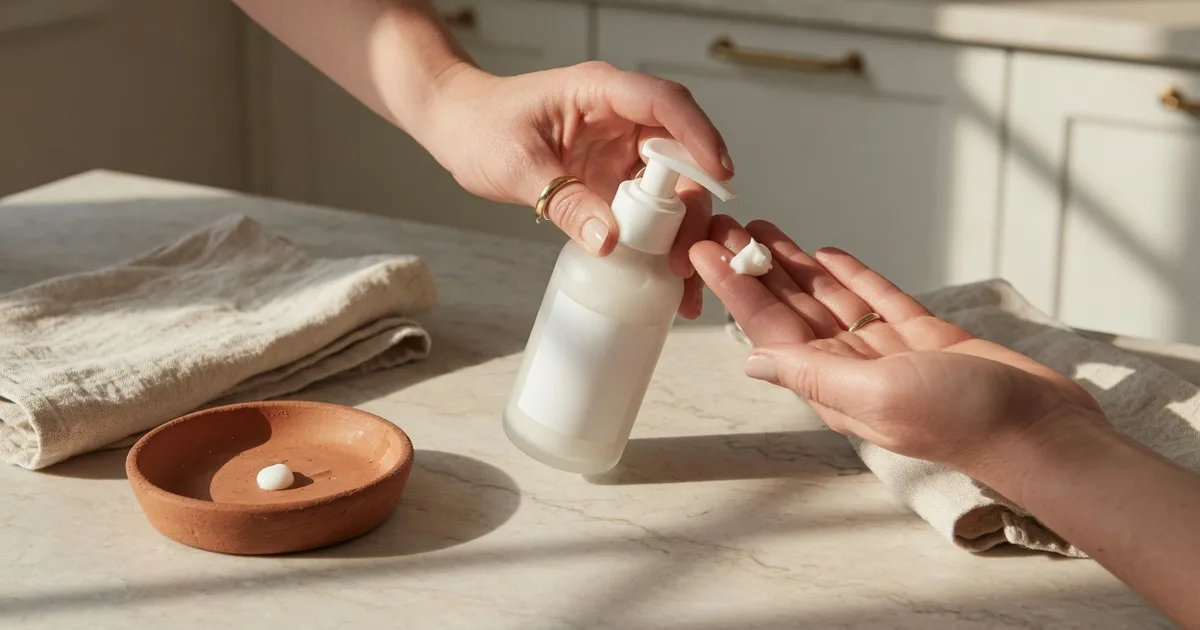
- Open the pack the way a customer would: foil seal, lid, zip, or pump.
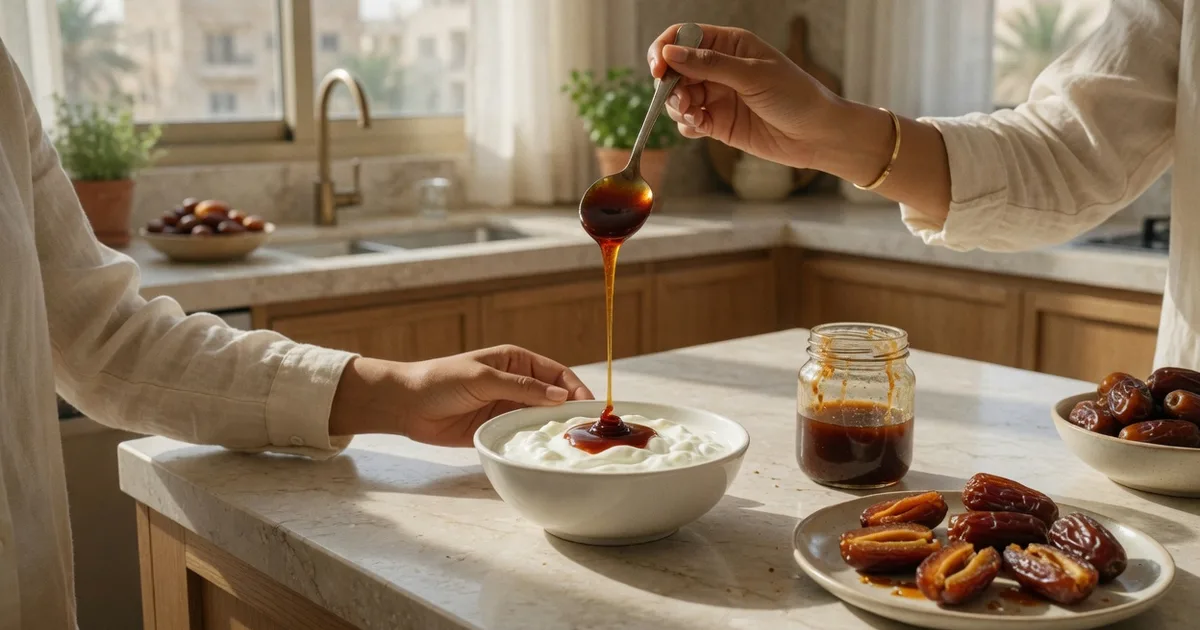
- Texture close-up: a drip from a spoon, steam off a cup, bubbles in a glass, or a crumble between fingers.
- One serving measured next to the pack so size is readable without on-screen numbers.
- The product in a real use: poured into a finjan, stirred into yogurt, spread on khubz, shaken into a bottle, or plated with dates.
- A wider shot of the same setting — kitchen island or guest tray — so the product looks like it belongs in a Saudi home.
- Pack and leftover serving in one frame. This is the scale shot buyers replay.
- Optional: a first taste, only if you add on-camera appearance as a paid extra.
Eight shots are enough for one video. Do not attach a full recipe. A recipe turns the SKU into a cooking show and hides the pack.
How to brief the creator for a Saudi kitchen or table
Write the brief as constraints, not poetry.
Setting. A real apartment kitchen or sitting room. Window light from the side. Neutral props: a white plate, a small glass, a dates bowl, Arabic coffee cups if the product fits gahwa. Remove other branded packs from the counter.
Talent. Default to faceless hands if the product is the star. Add on-camera appearance when flavour, routine, or hospitality is the story. If you want a video without a face, follow the method in How to Create Faceless UGC Videos for Saudi Online Stores.
Language. If you add extra voiceover, keep it short and in the language of your product page. Name the use, the texture, and the serving. Do not narrate every step the viewer can already see.
Wardrobe and hosting. Everyday modest clothes. If guests appear, keep it to a normal family or friends gathering, not a styled banquet.
What not to request. Studio backdrops, slow-motion luxury pours that hide the retail pack, and on-screen prices or claims you have not approved.
Hypothetical example: three videos for one date syrup SKU
This is a worked example, not a customer result.
A Riyadh store sells a jar of date syrup. Customers keep asking whether it is thick like honey and how much they need for breakfast.
- Video A, prep demo: open the jar, lift a spoon, let a slow drip fall onto yogurt. End on the jar beside the bowl.
- Video B, portion: one tablespoon on a plate of khubz, then the jar in the same frame. No recipe.
- Video C, serving context: a small sitting-room tray with Arabic coffee, dates, and a drizzle of syrup. Hands only.
Order A first. B and C reuse the same kitchen and the same creator so the product looks consistent across posts and the product page.
Mistakes that make food UGC look like a catalog ad
- Filming only the closed label. The shopper already has that photo.
- Top-down only. Texture needs a side angle on the drip or the spoon.
- No scale object. A jar alone could be small or family-size.
- Over-plating. If the dish looks like a restaurant course, the retail pack disappears.
- Ordering a testimonial first. A face saying it tastes good does not show viscosity.
- A long recipe. Viewers came for the SKU, not a cooking class.
- Harsh yellow ceiling light with no window or bounce. Food looks tired and shoppers skip.
What to do this week
- Pick one food or drink SKU that gets the most questions about texture or size.
- Choose one row from the table above.
- Paste the eight-shot list into the order and state faceless or on-camera.
- Review the delivered video against the scale shot (shot 7) before you accept.
When you are ready to order, browse Food & Beverage creators on PushBrands. Compare previous work, buy at the creator’s fixed price, and keep payment held until you accept the video. UGC services on PushBrands start from SAR 150. Creators set their own base prices, and optional extras are priced separately.
FAQ
Should the creator eat on camera? Only when taste is the unknown you cannot show with a drip or a mix. Many honey, coffee, and sauce videos work with hands only.
Do supplements and protein powder follow the same shot list? Yes. Scoop the powder, mix it into water or yogurt, and put one serving beside the tub so portion is clear.
Can I use one food video on TikTok, Reels, and Snapchat? Yes if it is vertical and the first two seconds already show the pour, scoop, or drip. Cut a shorter crop for Stories later if you need it.
How many products should I film before I run ads? Film the SKU that already sells, or the one with the most size and texture questions. Do not wait for a full catalogue.