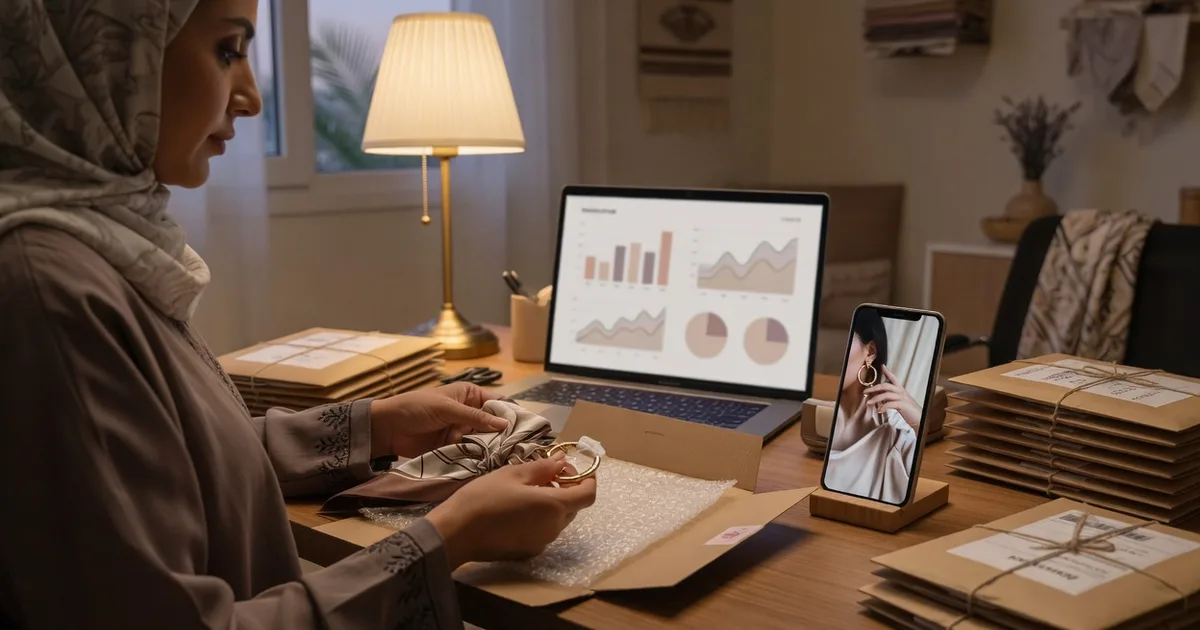
A practical guide for Saudi ecommerce brands: plan short UGC product videos before you spend on TikTok, Instagram, or Snapchat ads—formats, hooks, and a simple test workflow.
If you run a Saudi online store or brand, you do not need a celebrity influencer to start paid short-form video. You need product footage that feels real, opens with a strong hook in the first seconds, and shows a clear benefit before asking for a click. This guide shows how to plan user-generated-style content (UGC) specifically for paid social on TikTok, Instagram Reels, and Snapchat—before you place an order or scale spend.
Keep the roles clear. An influencer is often hired for reach through their audience. A UGC creator produces ready-to-use vertical video you can publish or run as ads, even with a small following. On marketplaces such as PushBrands, creators can join with no follower minimum, which fits performance creative better than fame-led campaigns.
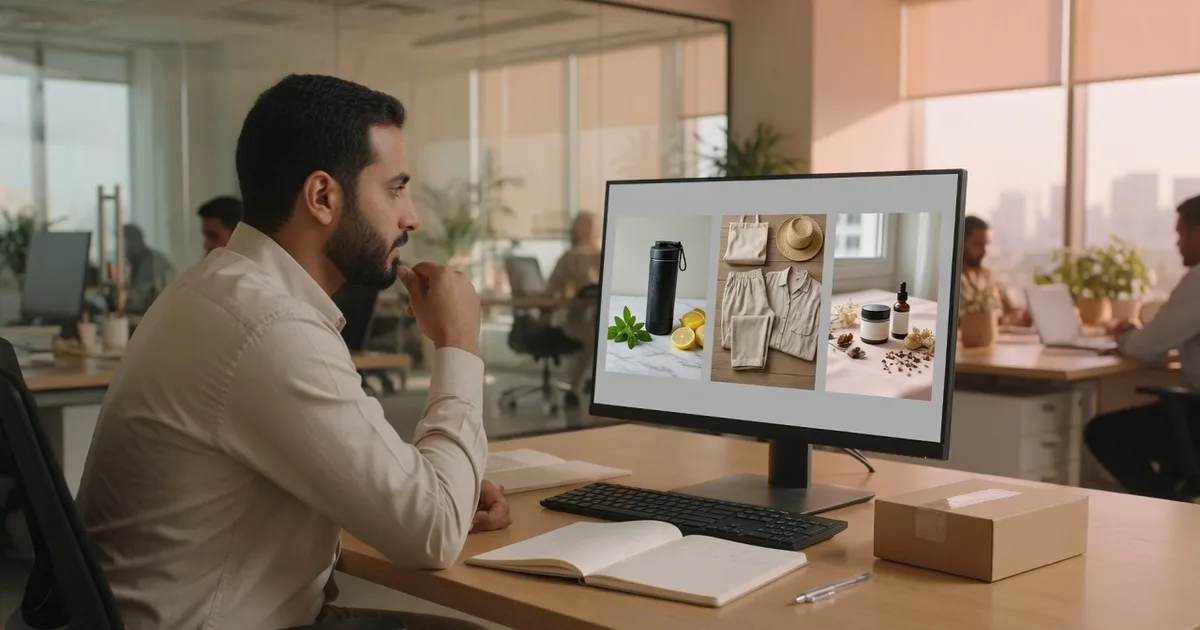
Why ad-ready UGC is different from “regular” content
Organic content can lean on personality or series storytelling. Ad creative usually needs faster clarity:
- The problem or desire shows up early
- The product is visible and easy to understand
- Light social proof appears without exaggerated claims
- One clear call to action: visit the page, add to cart, or claim an offer
In Saudi Arabia, natural dialect, everyday home or work settings, and honest product handling usually outperform glossy “old TV ad” energy. Plan for mobile-first vertical video and for sound-off viewing with on-screen text when needed.
Pick a video format that matches the ad job
Do not order a generic “UGC video.” Choose the format first:
| Format | Best when | Must show |
|---|---|---|
| Product demo | The item needs usage proof | 3–5 clear steps + a visible result |
| Unboxing | First-purchase curiosity | Packaging, first feel, tangible details |
| Routine / in-use | Beauty, home, fitness habits | Before → during → after |
| Testimonial-style | Purchase hesitation | A real friction point + what changed |
| Problem → solution | Early-funnel conversion ads | Hook the pain, then the product as the fix |
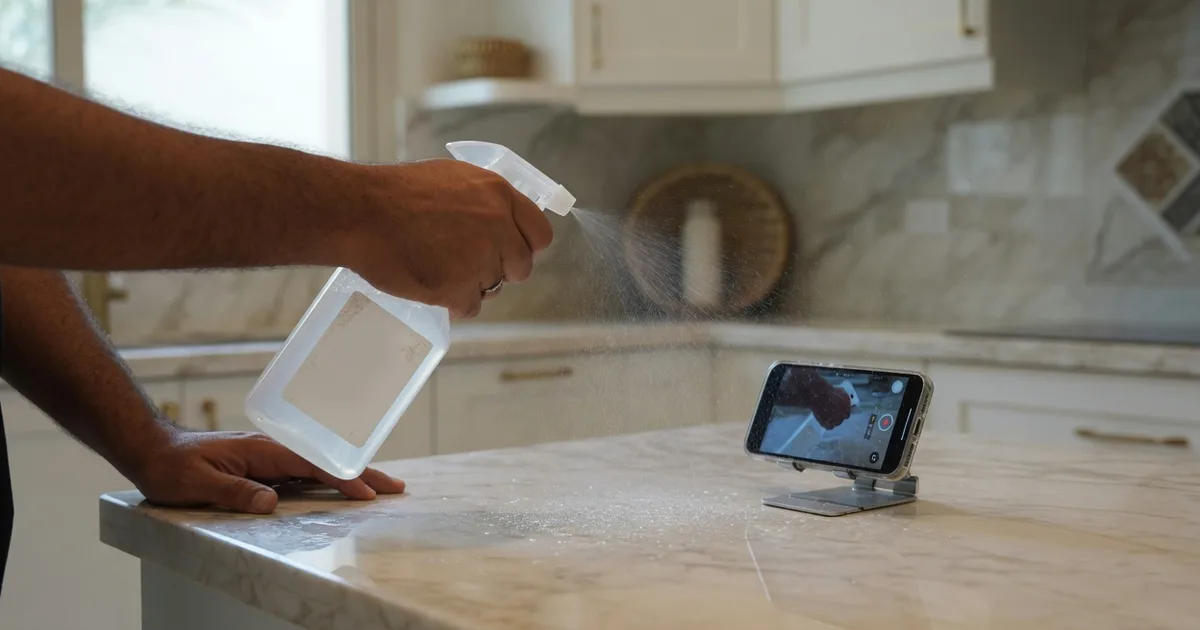
Hypothetical example (not a customer result): A Riyadh home brand wants cleaner first-purchase trials for a multipurpose cleaner. Instead of one long film, they brief three short cuts: a kitchen-stain problem hook, a 20-second demo, and a visual finish with a single CTA to the product page.
Plan before you order: offer, audience, hook, proof, CTA
Use this frame on every ad-focused UGC request:
- Offer: What exactly are you selling, and what is clear on the page?
- Audience: Who buys now—not “everyone”? Example: new apartment renters, office-from-home buyers, beginner fitness shoppers.
- Hook: The first 1–3 seconds that stop the scroll.
- Proof: What makes the video believable without unsupported promises?
- CTA: What should the viewer do after 15–30 seconds?
Hook starters you can adapt for Saudi audiences
- “I was wasting time every week on… until I tried this.”
- “If yours overheats / wears out / makes a mess, watch this.”
- “Ordered it to test… here’s the first thing I noticed after two days.”
- “Not a studio ad—this is real use at home.”
Avoid invented performance promises (“this will double sales,” “guaranteed views”). Show a benefit the camera can prove.
A simple workflow: from idea to a small paid test
1) One hypothesis per video
Clear hypotheses look like this:
- “A problem hook will beat a price hook for this product.”
- “A demo will outperform an unboxing.”
- “On-camera face will beat voiceover-only for this category.”
Do not stack five ideas into one cut. One video, one main test.
2) Write a short ad brief, not a film treatment
A useful paid-social brief includes:
- Product name and page URL
- Audience in one line
- Core message in one sentence
- Two or three hook options
- What must appear (variant, size, usage, restrictions)
- Target length (often 15–30 seconds for a first ad cut)
- Language and cultural notes (dialect, setting, what not to show)
For a fuller product-brief structure, see How to Write a UGC Brief for Saudi Product Videos.
3) Order comparable variations
A small test batch beats one “perfect” film:
- Same product + three different hooks
- Or same hook + two angles (on-camera vs voiceover)
- Or two formats (demo vs unboxing)
With fixed-price direct ordering, a brand can pick a creator and their base price, then add optional services shown before checkout—extra hooks, additional voiceover, on-camera appearance, motion graphics, fast delivery, or Spark Ads authorization—without launching a campaign, running a bid process, or opening an agency retainer.
4) Fix the landing page before you buy media
Strong creative cannot rescue a weak page. Before you run ads:
- Price and shipping are clear on mobile
- Page visuals match what the video promises
- Any offer is visible without endless scrolling
- Add-to-cart or checkout is easy on a phone
5) Run a small test, then repeat or stop
Decide in advance what “worth continuing” means for you—add-to-cart cost, click quality, or inquiry quality—without inventing a magic benchmark. If the scroll-stop is weak, change the hook before you blame the product. If the hook is strong but purchases are weak, inspect the page and offer, not only the creator.
What to request when the goal is paid usage
Deliverables that help ads
- Vertical (9:16) video ready to upload
- Safe margins so UI chrome does not cover key moments
- A clean cut without platform watermarks that block ad use
- A hook in the first two to three seconds
- One clear ending CTA
Optional services that map to ads
On PushBrands, creators can price extras separately before order, including:
- Additional hook
- Additional voiceover
- On-camera appearance
- Motion graphics
- Fast delivery
- Instagram, TikTok, or Snapchat posting if you also want organic support
- Spark Ads authorization code when you need the right setup for TikTok ads
Do not buy every add-on on the first test. Start with a clear demo or problem-solution cut plus a strong hook, then expand.
How to judge a creator profile for ads
Review previous work: does it look like product advertising or only lifestyle vlogs? Is audio clean? Is the product honest on camera? For a deeper evaluation framework, read How Saudi brands evaluate UGC creators before they order.
Pre-flight checklist before you run the video as an ad
- Hypothesis written in one line
- Audience defined in one line
- Hook lands in the first 3 seconds
- Product is obvious without a long monologue
- One primary benefit, not a feature dump
- No unverifiable sales or results claims
- Single CTA
- Vertical, readable with sound off
- Landing page matches the promise
- At least one alternate hook or angle planned
Common mistakes that waste budget
- Ordering “something beautiful” with no hypothesis — you will not know what to measure.
- Cramming too many benefits into 20 seconds — first ads need one message.
- Paying for influencer reach when you needed ad creative — UGC is production for testing and media, not a follower guarantee.
- Ignoring language and setting — a mismatch with your buyer’s everyday context weakens trust.
- Spending big on v1 — a small creative test is cheaper than late reshoots after media waste.
- Skipping usage expectations — agree whether the file is for paid ads, which platforms, and for how long.
Hypothetical planning example (labelled on purpose)
Suppose—as a hypothetical planning sketch only, not a live price quote—you want three angles for one hero product:
- Three base videos at each creator’s published price (prices vary by creator and scope)
- One additional-hook extra on the strongest concept
- Spark Ads authorization later if a TikTok cut deserves spend
UGC services on PushBrands start from SAR 150. Creators set their own base prices, and optional services may be priced separately and shown before you order. Brand payment is held until you accept the delivered video, and orders move from in progress to delivered to accepted. That structure supports repeat testing better than locking a long retainer before you know which angle deserves another cut.
Next steps
- Choose one product with a mobile-ready page.
- Write one hypothesis and one format (demo, unboxing, or problem/solution).
- Draft three short hooks in the language your buyers actually use.
- Order a small comparable batch instead of one “final” film.
- Tie every video to a decision: stop, change the hook, or iterate the winner.
When you are ready to brief creators without campaigns or bidding, browse Saudi-based creators on PushBrands—with 3,000+ registered brands and 2,500+ registered creators—and order a ready-to-publish vertical video at the creator’s fixed price, with optional extras shown before checkout.
FAQ
Do I need a large-following creator for UGC ads?
Not necessarily. For performance ads, creative quality, product clarity, and test design usually matter more than follower count. Influencers can still help awareness goals; UGC is mainly for producing assets you can iterate.
How many videos should I start with?
If budget allows, start with three short cuts of the same product with different hooks or angles. Comparable structure beats a large random batch.
Should I post organically before running ads?
Either path can work. If your goal is conversion learning, plan paid usage from day one and fix the page first. Organic posting can support social proof, but it is not a substitute for a structured creative test.
Why does the same format work on one product and fail on another?
Expected. Explain-heavy categories (electronics, devices) often need demos; beauty and home routines may win with in-use storytelling. Rewrite the hypothesis by category instead of cloning one script across your catalogue.
- ugc
- paid social
- tiktok ads
- product video
- saudi ecommerce
- creative testing