Showing Real Product Size at Home in UGC Videos
Catalog photos hide how big home products really are. Learn how to brief UGC so Saudi shoppers see size next to sofas, door frames, and real rooms before they buy.
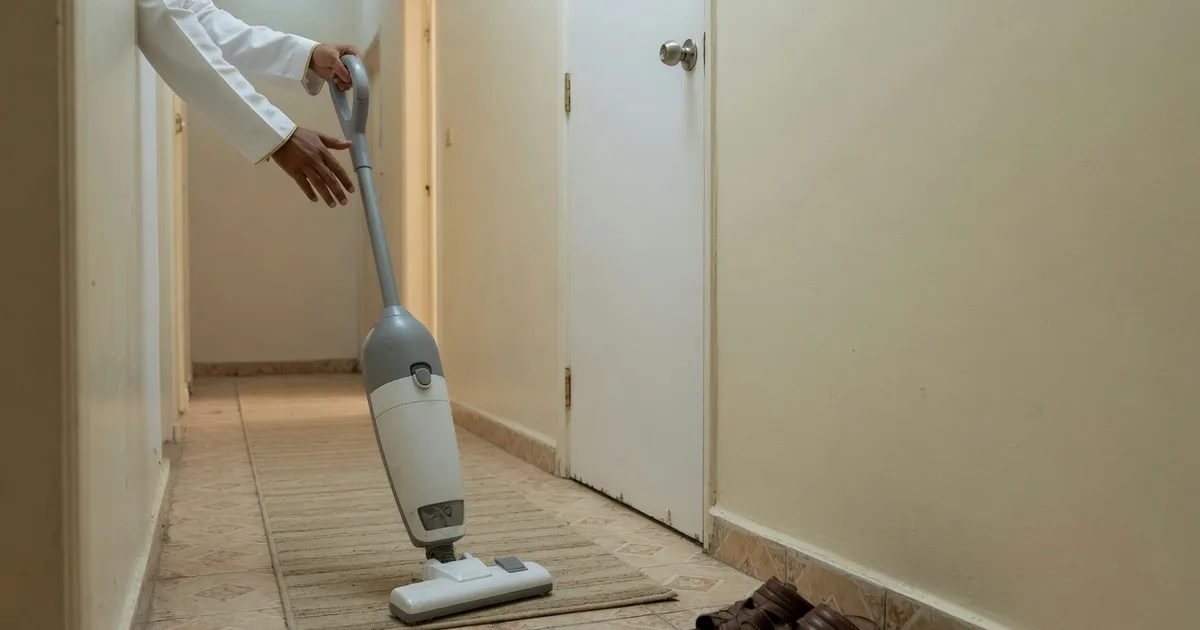
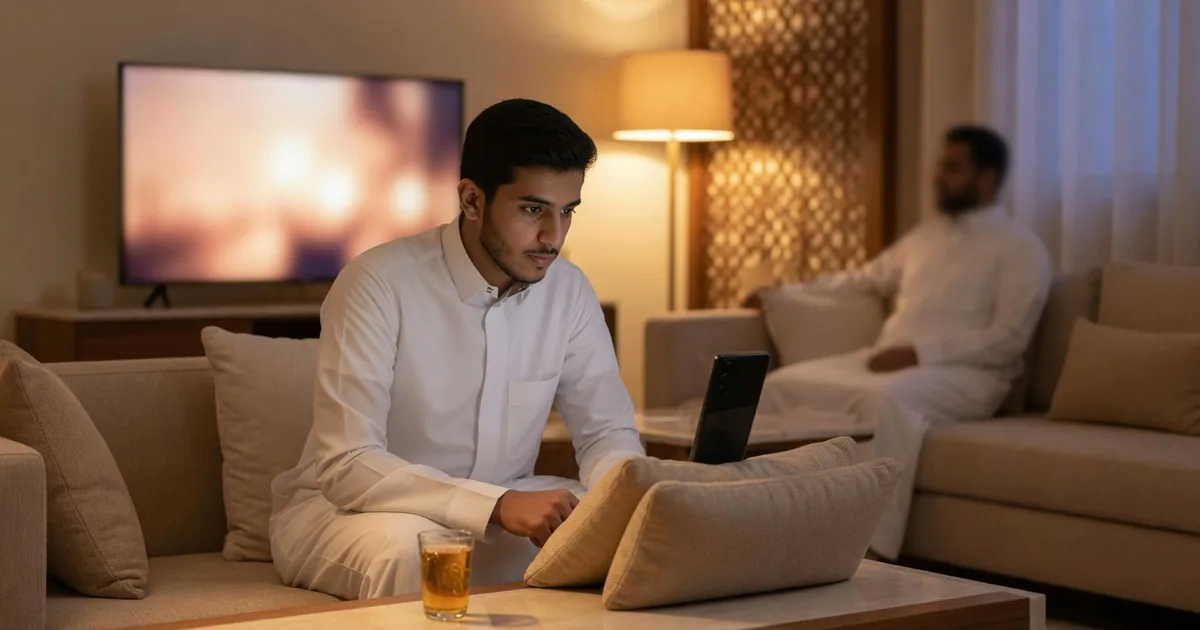
Saudi shoppers pause on home products for a simple reason: they cannot tell how big the item is. A catalog photo on a white background does not show whether a side table sits above or below the sofa arm, or whether a vacuum looks bulky in a narrow hallway. If you want to show product size in UGC videos, put the item in a real Saudi room, next to objects people already know, and let a hand or body provide scale in the first seconds.
This guide is for brand owners and ecommerce teams selling home, garden, furniture, storage, and small appliances in Saudi Arabia. It is not a clothing fit guide. Apparel needs a try-on on a body. A lamp, cabinet, organiser, or vacuum needs a room: a living room, a hallway, a kitchen, or a balcony. You will get a scale-reference checklist, a shot list, and a short brief you can paste when you order.

Why size questions stall home-product orders
The same SKU looks different from home to home. A floor lamp that fits a villa living room can dominate an apartment majlis in Riyadh. A storage ottoman that looks compact on the product page can block a Jeddah hallway. Shoppers then open WhatsApp and ask for measurements, or they leave.
UGC will not replace a dimensions table on the product page. It does a different job: it lets someone see the product against a sofa, a door frame, a dining table, or an adult's hand, in lighting and furniture that feel local.
A useful size video answers three questions quickly:
- How tall or wide is it next to a person or a piece of furniture?
- Where does it actually sit in a room?
- Can I still walk past it, open a drawer, or use the space around it?
If the video only spins the product on a table, you have a demo of the object, not of the space it occupies.
Scale references Saudi shoppers recognise
Do not ask the creator to "show the size" and stop there. Name the comparison. Pick two or three items from this list and write them into the brief.
Body and hands
- Full product next to a standing adult, feet visible, head to product top in one frame
- A hand gripping a handle, wrapping a bottle, or spanning a tabletop
- Product held against the torso so width is obvious
Furniture and architecture
- Beside a sofa arm or seat cushion
- Against a door frame or the edge of a bedroom door
- On a coffee table with cups or a remote that already live in that home
- Next to a dining chair, TV console, or bedside table
- In a hallway with both walls visible
Everyday objects in a Saudi home
- Next to a water bottle dispenser, a floor AC unit, or a plastic balcony chair
- On a kitchen counter beside a kettle or a rice cooker
- In a garden or balcony next to an outdoor chair
Hypothetical example, not a customer result: if you sell a 90 cm storage cabinet, a creator standing beside it in a modest apartment living room, then sliding it against a sofa arm, tells the shopper more than the word "compact" on the page.
Avoid studio backdrops, empty white rooms, and furniture that looks like a showroom. The room does not need to be large or styled. It needs to be believable.
Shot list: size first, then use
Film in this order. The opening must establish scale before you show features.
- Wide room shot: product already in place, a whole piece of furniture visible, a person walking into the frame.
- Person standing next to the product, full body, no crop at the feet.
- Product beside one named furniture piece (sofa arm, door frame, dining chair).
- Hand on the most important dimension: height of a backrest, width of a tabletop, depth of a drawer.
- Use in context: open the lid, sit on it, plug it in, roll it down the hallway, fold it, or store it.
- Tight detail of texture or material only after scale is clear.
- Closing wide shot of the product living in the room, with a spoken size cue if the creator is on camera.
Keep on-screen size text sparse. If you add a measurement, say it once, in the unit you use on the product page (cm). Shoppers should still understand the video on mute from the room itself.
If you need more than one cut of the same product, film the same room at two distances rather than two unrelated locations. A living-room wide shot plus a hallway pass-by is more useful than five tabletop spins.
For clothing size and fabric drape, use a try-on instead of a room comparison: How to Create Fashion Try-On UGC Videos for Saudi Stores.
A brief you can send with the order
Paste this and replace the brackets. This is a template, not a platform form.
Product: [name], [key dimension in cm], [colour]
Room to film in: [living room / bedroom / kitchen / balcony]
Must show size against: [sofa arm / door frame / standing adult]
Must show use: [open drawers / sit / roll / fold / plug in]
Do not: film only on a table, crop the person's feet, use a studio wall
On camera: [yes / no]
Spoken line (optional): "This sits just below the sofa arm in our living room."
Add one usage moment that matches a real Saudi home, not a generic lifestyle line. Example: Friday coffee in the living room, or weekday storage in a child's bedroom. Do not script a fake family story. Ask for the room and the action.
If the product is heavy or awkward, say so. The creator needs to know whether they should unbox it, assemble it, or only place a ready unit.
When on-camera and extra people help scale
A faceless video can still show size if a hand, feet, and a full sofa stay in frame. It fails when the camera stays so close that the room disappears.
Add an on-camera appearance when the product's height only makes sense next to a person's shoulder or waist. Add additional talent when two people handling a rug, a box, or a table makes the weight and span obvious.
These are optional services. Creators on PushBrands set a base price, and extra services are priced separately and shown before you order. When to Add Extra Services to a UGC Order in Saudi Arabia walks through that choice. UGC services on PushBrands start from SAR 150. That is a starting point, not every creator's price, and not a typical order value.
Filter creators by the Home & Garden category when the product lives in a room. Open previous work and look for real interiors, not only tabletop clips. If every sample is a white sink or a studio, the creator may not have filmed scale in a home yet.
Mistakes that hide the size
- Opening on a beauty detail of wood grain or fabric, then never pulling back
- Filming on a dining table when the product belongs on the floor
- Cropping the adult at the chest so height is guesswork
- Using a huge villa room for a product aimed at apartment shoppers, or the reverse, without saying so
- Asking the creator to read a long spec list instead of standing next to the item
- Mixing cm on the page with vague words like "compact" in the video
- Treating a garden hose, outdoor chair, or plant as if it were a kitchen gadget and filming it indoors only
Trade-off: a very styled majlis photographs well and can make a small item look lost. A smaller, ordinary room is often clearer. Choose the room that matches the shopper you actually sell to, not the room that looks most expensive.
What to do next
- Write the one size question your WhatsApp inbox already repeats ("Does this fit beside a sofa?").
- Pick two scale references from the checklist.
- Fill the brief template and decide whether you need a face, a second person, or a faceless room tour.
- Order a demo-style video first, not a testimonial. Size is visual.
- Watch the delivery on mute. If you cannot tell the size without sound, do not accept it until that is fixed.
When you are ready to order, browse Home & Garden creators on PushBrands among 3,000+ creators, compare previous work, and buy a vertical video at the creator's fixed price. Payment is held until you accept the delivered video.
FAQ
Should the creator show a tape measure? A tape measure can support the room comparison. It should not replace it. If you use one, match the product-page unit and keep it on screen briefly.
What if my product is small, like a candle or an organiser? Put it on a palm, then on the shelf or counter where it will live. Small items fail when they float in the middle of a wide empty room.
Can I use the same size video on the product page and in ads? Yes, if the first two seconds already show scale. Ads that open on a texture close-up waste the only job this video has.