
When a UGC video hides size, color, or box contents, shoppers order the wrong item. This guide shows Saudi stores which shots set honest expectations.
Most preventable returns in a Saudi online store start before the courier arrives. The shopper bought a picture in their head, then opened a box that did not match it. If you want to reduce product returns with UGC videos, film the mismatch points before checkout: true size, colour in home light, everything in the box, how the material actually feels, and how the product sits in a normal Saudi home.
User-generated content (UGC) here is not a polished brand film. It is a short vertical video of someone using the product the way a customer will. The job of that video is to leave the shopper knowing what will land at the door, not only liking the shot.
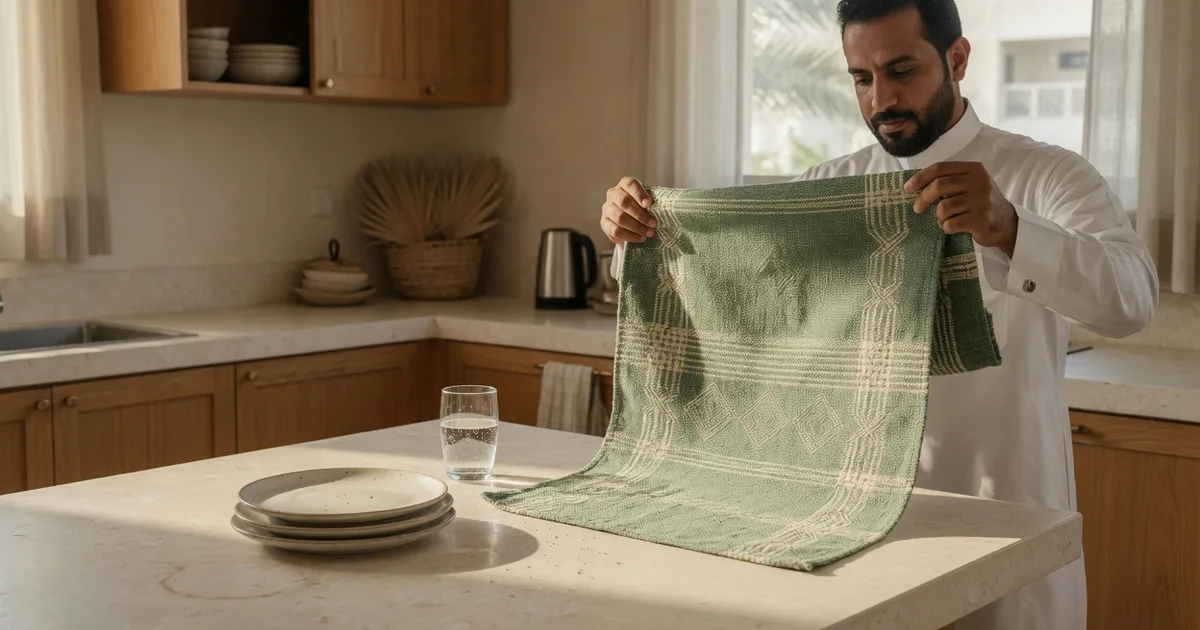
Why product videos trigger returns in Saudi ecommerce
Saudi shoppers usually decide on a phone, in a living room or office, and often buy for a family member they cannot measure. A clip shot on a blank backdrop, with a tight lens and corrected colour, sells a larger, cleaner object than the one that ships.
The return reasons that trace back to expectation usually sit in five places:
- Size: the item looks bigger or smaller than it is.
- Colour: the screen shows a shade that indoor lighting will not match.
- Contents: the shopper expected extra pieces or a larger quantity.
- Material: fabric is thinner, metal is lighter, or plastic reads as glass.
- Use: the product needs space or a method the video never showed.
These are not “production quality” problems. They are honesty problems. A video that prevents a return puts the product next to something the shopper already knows, lets daylight reveal colour, and empties the box to the last accessory.
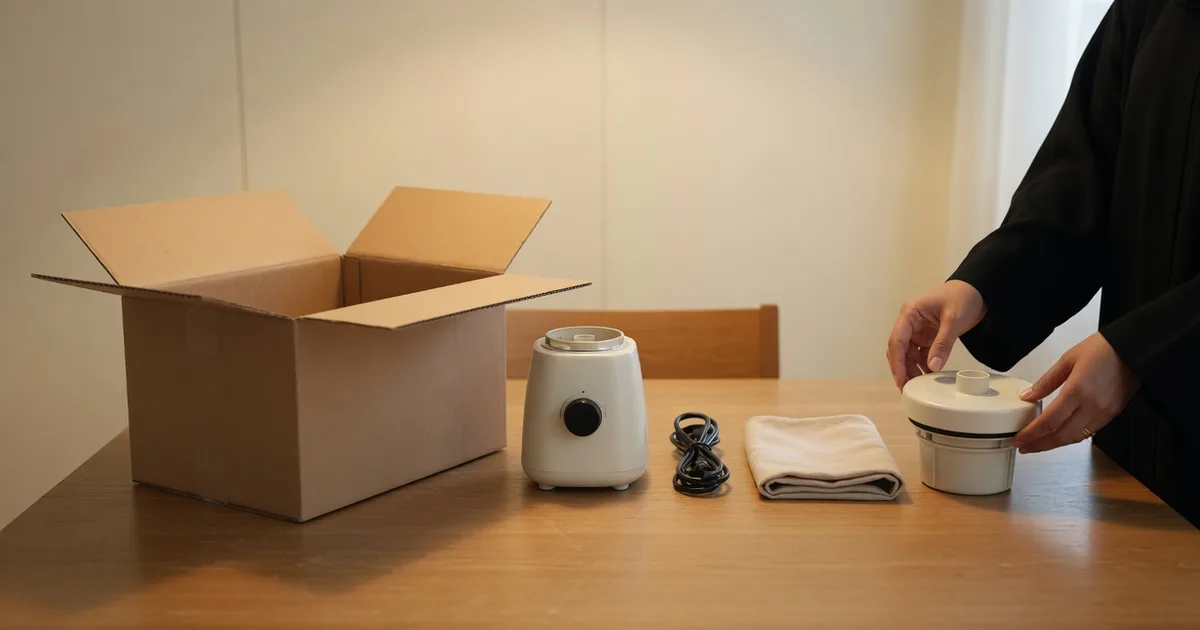
Match each return reason to one on-screen moment
Do not brief a creator to make “a nice product video.” Brief one shot for each return reason you already see in chats and returns notes.
If size complaints keep coming in fashion or home goods, make the first seconds show scale against a body or a familiar piece of furniture. A practical method for that shot is in How to Show Product Size in UGC Videos for Saudi Stores.
If customers return items because “the box was missing pieces,” do not open on usage. Open on a full unbox on a dining table or kitchen counter, count the parts on camera, then move to the demo. Choosing unboxing, demo, or testimonial depends on the question the shopper asks before paying; that choice is covered in Which UGC Video to Order First: Unboxing, Demo, or Testimonial.
If colour is the issue, film beside a window in daylight, then again under evening room light. Do not rely on a filter that “fixes” the shade.
If material is the issue, move close enough to see sheen, pile, or fabric thickness, then show a hand folding, pressing, or giving a light pull.
How to reduce product returns with UGC videos: a shot list
Paste this list into the order. Ask the creator to cover the items in order, not to pick the prettiest angle.
- Empty the full box onto a clear surface and show every piece and accessory.
- Size shot: the product beside a hand, a water glass, the edge of a typical Saudi table, or on a body if it is worn.
- Colour in daylight beside a window, with no filter shifting the shade.
- The same colour under evening indoor light, so the shopper sees the difference.
- Material close-up: touch, fold, light stretch, or a clear view of shine and reflection.
- A real use demo of about fifteen seconds in a home, car, or office that matches the category.
- One plain line about what the product does not do, if that confusion already shows up in customer questions.
- A closing shot of the product as it will be stored or used daily, not on an empty backdrop.
Not every product needs a face on camera. Home goods, electronics, and gifts often work with hands, texture, and scale. Fashion and eyewear benefit from a body so fit is visible. Add an on-camera appearance only when fit on a person is the return driver.
Brief the creator without writing a film script
A good creator does not need long paragraphs. They need decisions.
Give them four lines:
- Who buys: a man choosing a thobe, a parent ordering a kitchen tool, or someone buying a gift.
- Where to film: a Saudi living room, kitchen, bedroom, or car. Skip a white studio unless that is the real use setting.
- Required shots: copy the list items that fit this product.
- Forbidden lines: any exaggeration of size or colour, “fits everyone,” or a result the product cannot promise.
If the product sits in a live category, pick a creator whose previous work shows the same kind of use: fashion, home and garden, electronics, beauty, sports, food, automotive, eyewear, or gifts. Each creator sets their own base price, and optional extras such as on-camera appearance or an additional hook are priced separately before you order. UGC services on PushBrands start from SAR 150. That is a starting point, not the price of every order.
What to check before you accept the video
On PushBrands the brand’s payment stays held until you accept the delivered video. Use that window to inspect expectation, not only polish.
Do not accept, even in your own head, if any of these fail:
- Does size appear against a reference the shopper knows in the first seconds?
- Is colour shot in natural light, or corrected until it flatters?
- Was the box fully opened, with every piece on screen?
- Is the material clear enough to tell fabric from plastic, or metal from coating?
- Does the setting look like the customer’s home, or like an ad set?
- Does the closing line push the purchase without hiding a limit that causes returns?
If a shot is missing, request a specific fix: “Show the vase next to a photo frame on the console,” not “make it clearer.” A precise note saves a vague reshoot.
Hypothetical example: a vase that looked larger on screen
This is a hypothetical walkthrough, not a real customer result. A Riyadh home store sells a vase that is forty centimetres tall. The previous video pushed the camera into the neck on an empty backdrop, so the piece read like a floor vase. Some orders came back because the shopper expected a larger object for a majlis entrance.
The new order locked three required shots: the vase on a console beside a photo frame, a hand on the body to show height, then a full unbox to show it is one piece with no separate base. The video did not become “nicer.” It became accurate. The shopper who needs a different size leaves before paying, which is cheaper than a return after delivery.
The trade-off: honesty is not a list of flaws
An honest video does not turn the product into a complaint sheet. It sequences information so desire follows understanding.
Show attractive real use in a Saudi home: the majlis, the kitchen, a child’s room, or a car in the driveway. Place size, colour, and contents in the first third, before the call to buy. If you bury the size shot at the end, part of the audience has already built the wrong picture.
Do not ask the creator to invent a defect. Ask them not to hide the thing that causes returns. Hiding scale creates a later loss. Showing it creates a cleaner purchase.
Next steps
Open your last ten return notes or pre-purchase chats. Pull the single repeating reason: size, colour, contents, material, or use. Turn it into three required shots and order one UGC video that covers them in the order above.
Then watch the delivery the way a customer will: vertical, on a phone, not on a desktop. If one visual question is still unanswered, do not accept until that shot is in the file.
You can browse Saudi creators on PushBrands by product category, check previous work, and buy a video at the fixed price the creator sets. Payment stays held until you accept delivery.
Quick questions
Should a UGC video show product flaws?
Show the limits that already cause returns, not a catalogue of complaints. If a lid does not fit a certain appliance, or a cut runs small, say it once with a supporting shot. Do not invent a flaw for the sake of sounding honest.
What if the product is a gift and the size is unknown?
Show scale two ways: on a body when you can, and beside a fixed household object. Add one line on how to choose the size, or say clearly if the item is one-size. A gift with no scale cue is a likely return after the occasion.
Can one video cover every return reason?
Often yes, if you sequence the shots: contents, size, colour, material, use. If two reasons need time, such as a full size explanation and a long demo, order two short videos instead of one crowded clip.
Should the voiceover be formal Arabic or everyday speech?
Match the language your customers already use in WhatsApp. Everyday speech is clearer for size and colour. Simple formal Arabic works better as on-screen text when the video may play muted. Do not mix both in the same sentence.
- ugc
- product returns
- saudi ecommerce
- product videos
- online stores